

What Grows in Stormhold
On the rare magic of earnest fantasy in Stardust.

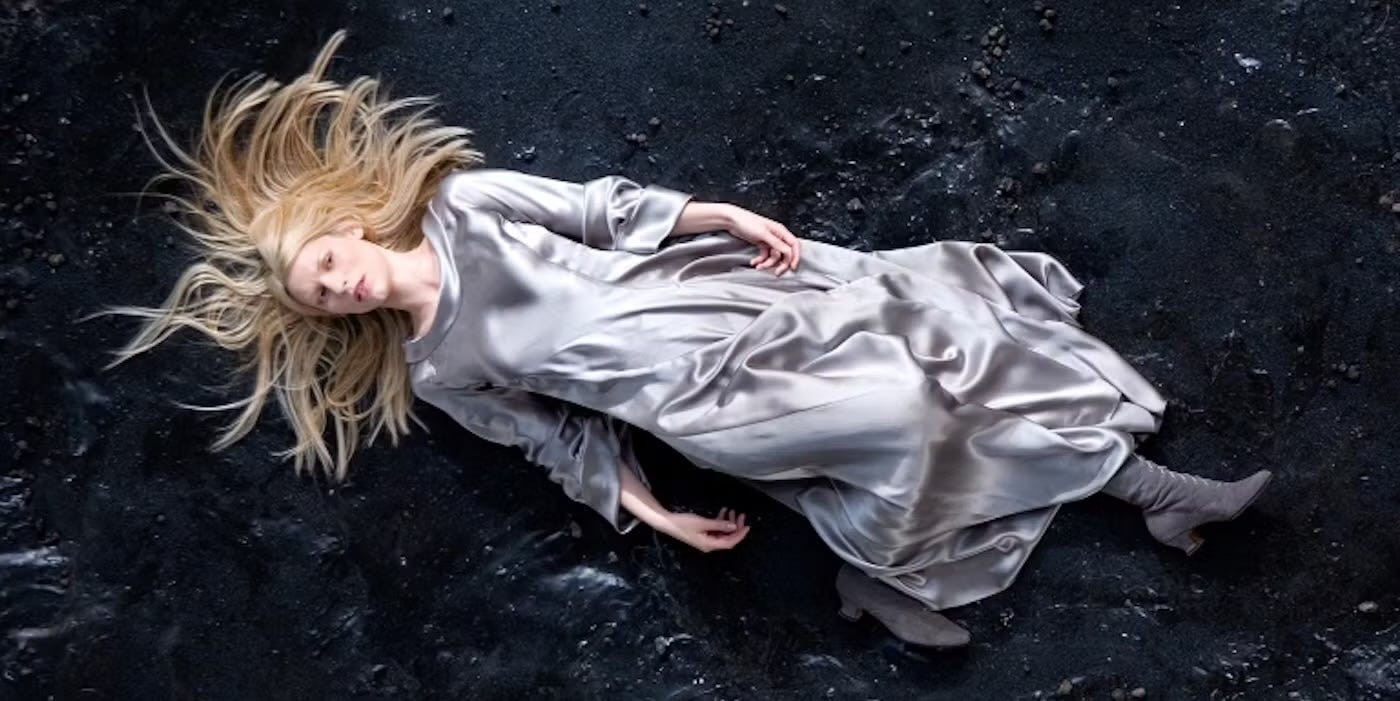
Fantasy can be exhausting when it takes itself too seriously. Worlds built on centuries of lore often collapse under the weight of their own ambition, burdened by solemnity and self importance. Stardust, though, chooses delight. Released in 2007, Matthew Vaughn’s adaptation of Neil Gaiman’s novel is a rare thing: a fantasy film that remembers whimsy without sacrificing stakes, and that allows wonder to coexist with real emotional payoff.
The story moves fast, a fallen star turns out to be a woman (played with flinty charm by Claire Danes), a boy crosses into a magical kingdom to retrieve her, and a series of witches, princes, and sky pirates cross their paths. What could have been a chaotic grab bag of tropes becomes something coherent because the film never loses track of tone. There’s danger, but never misery; magic, but never confusion. Its world feels lived-in without being overexplained.
One of Stardust’s most striking choices is to lean into sincerity. Its characters are allowed to be romantic, cowardly, foolish, brave. They change and grow not in grand, tortured arcs, but through choices that feel real. Tristan starts out naive but matures in a way that feels organic. Yvaine, the fallen star, burns brightest not because of some epic prophecy but because she learns to trust her own heart.


The costumes track these arcs as much as the performances do. Tristan begins in rumpled, earthy clothes, garments that look borrowed rather than chosen. As his confidence grows, his wardrobe sharpens: tailored coats, cleaner lines, richer fabrics. It’s not about wealth or royalty; it’s about a visual shift from boyhood to adulthood. Yvaine, by contrast, arrives in a gown that feels celestial but fragile. Pale, luminous, almost too delicate for the world she’s fallen into. As she travels, the gown tarnishes, gathers dust, and frays at the edges, but she never loses her radiance. Her eventual transition into a finer doesn’t diminish her otherworldliness; it grounds it, showing that resilience can be as beautiful as purity.


The villains are drawn with relish. Michelle Pfeiffer’s Lamia is one of the great witch performances. Feral, vain, and hilarious. Her beauty’s a weapon, her hunger clear. Costuming makes that literal: each time Lamia uses magic to restore her youth, parts of her begin to fade and shred as her power drains. Watching her decay is a visual spectacle in itself, the skin sagging, the hair falling off, a reminder that vanity, in this world, is costly and impermanent. The princes of Stormhold, meanwhile, wear a kind of comedic regalia, their velvets so stiff and overdecorated they become visual jokes. Even as ghosts, their elaborate clothing anchors them to the ridiculousness of their status squabbles.


Robert De Niro’s Captain Shakespeare, a pirate with a soft side, could have easily been a joke that aged badly. But somehow, he holds up. His costumes bridge his dual personas: the leather and brass trappings of a fearsome sky captain for the crew, and the silks and lace of his private self. The cross dressing scene’s handled with a generosity that feels ahead of its time; his pleasure in fine fabrics and theatrical presentation isn’t mocked, but embraced as part of who he is. In a movie that handles so many genres at once, his wardrobe becomes a visual expression of the film’s ethos: there’s power in play, and strength in joy.
Visually, Stardust feels like a fairy tale without the self congratulatory gloss of many prestige fantasies. The costumes are rich but never overwrought; every detail looks touched by human hands, not mass produced. Yvaine’s gown looks as though it might have been woven from starlight but stitched together in someone’s cottage. Lamia’s dresses drip with menace without drowning her in fabric. Tristan’s coats look worn in by travel, not lifted from a costume rack. The visual effects are charmingly uneven, and the clothing shares that handmade quality. This slightly imperfect texture only adds to the film’s warmth. This isn’t a world you observe from behind glass. You’re invited in, to touch the velvet, to feel the weight of the cloak.
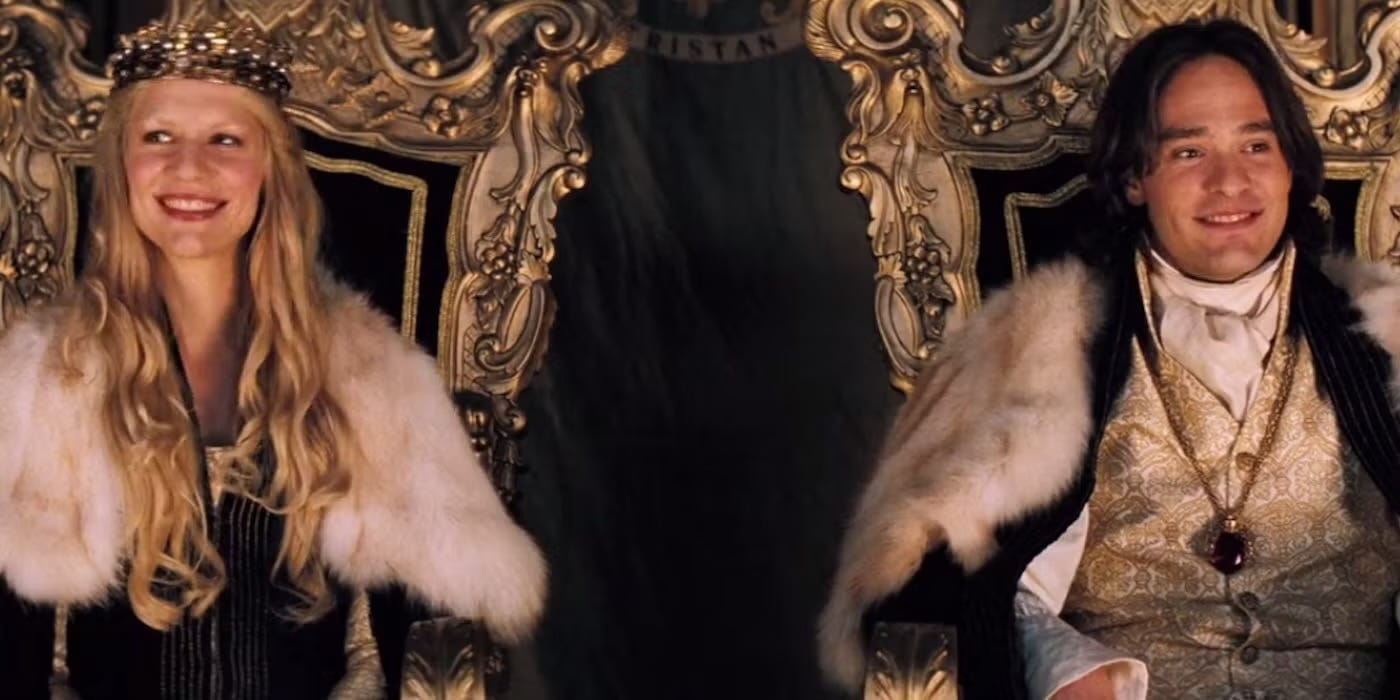
What makes Stardust endure is how complete it feels. It doesn’t dangle unfinished threads or set up a sequel. It trusts its audience to want closure. And the ending, which gives its lovers a lifetime and then some, remains one of the more satisfying conclusions in fantasy film. Love wins, but not cheaply. The characters earn it and the final image of Tristan and Yvaine, crowned and robed not in the trappings of dominance but in the colors of their shared journey, feels like a fitting reward.
In a genre often obsessed with destiny, Stardust chooses devotion. Its magic is in the choice to care, and to keep caring even when cynicism is easier, even when love requires change. It’s a film that understands fantasy works best when it reminds you of something true: that what we wear tells the story of where we’ve been, and that beauty matters most when it’s lived in.

Interesting review. This movie has been around for so long and it has quite the stacked cast and yet it’s always eluded me. Will have to check it out.